Sustainability
Newsletter

Green Guardian:
Marking The 2026 Milestone of Nyanyi Bali Sustainability
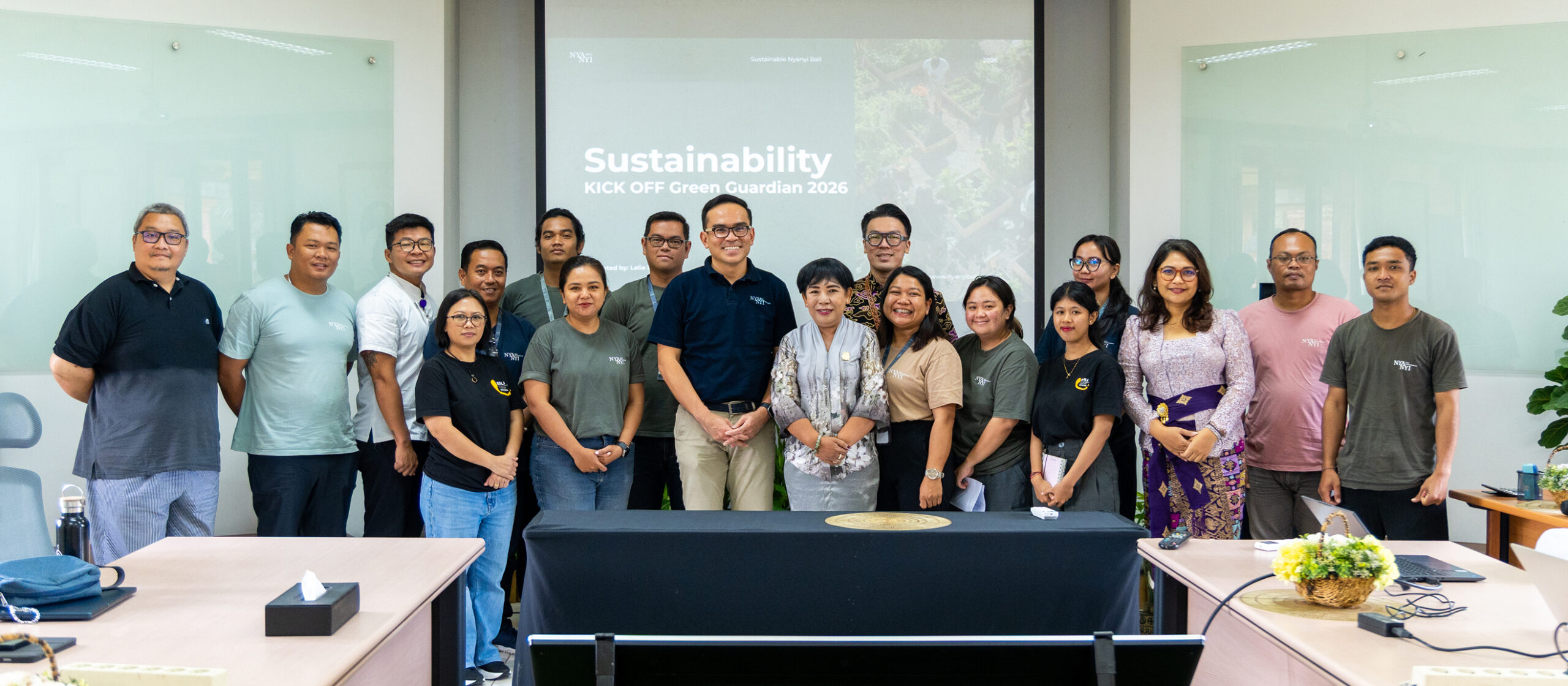
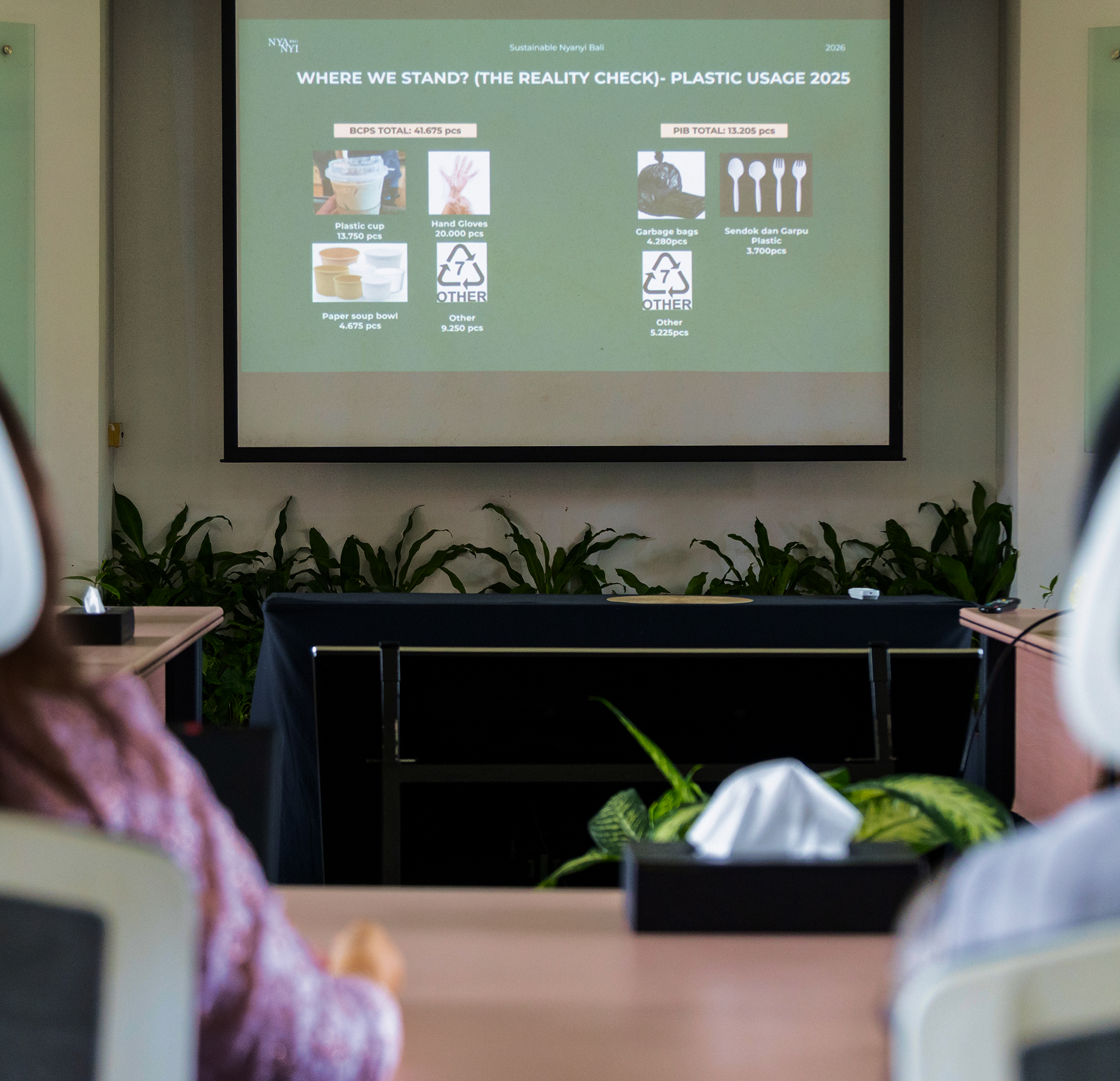
We officially launched Green Guardian 2026, our cross entity team with one clear mission: making eco conscious living our default. We reflected on both the wins and challenges of 2025, and shared some of our most honest feedback yet. One moment stood out when a team member said their single use cup suddenly felt heavy after seeing the plastic data. That shift in awareness is why this movement matters.

Now, 17 representatives are committed to turning values into daily habits. Our goal is simple: move sustainability off the slides and into real, lived change.
Year of Big Wins!
2025 was an absolute whirlwind of green wins!
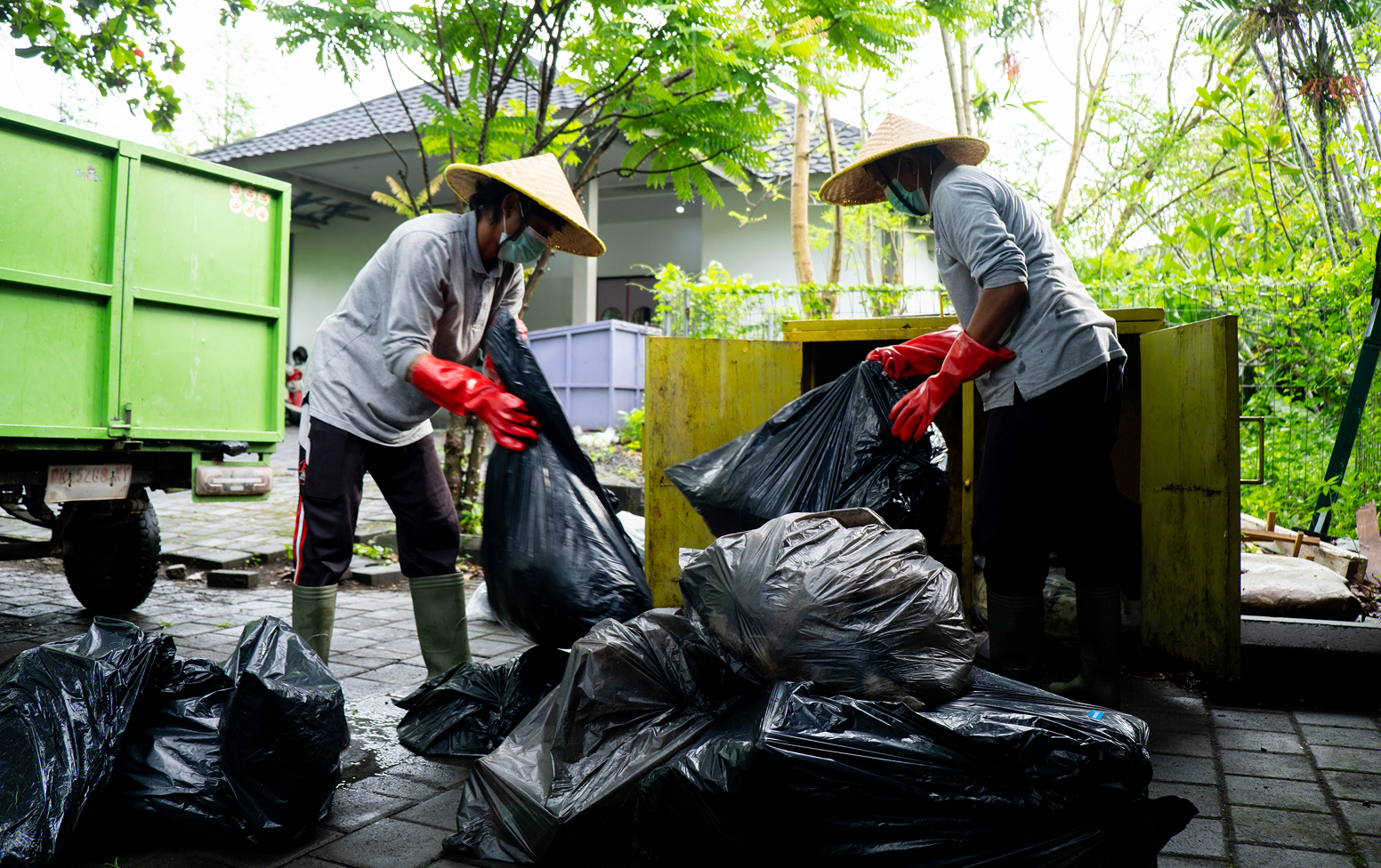
We handled 125.3 tons of waste and successfully recycled 101.8 tons, reaching an 81.21% Waste Diversion Rate. That’s the equivalent of keeping about 20 elephants out of landfill. Proof that small, consistent actions can create real, measurable impact.
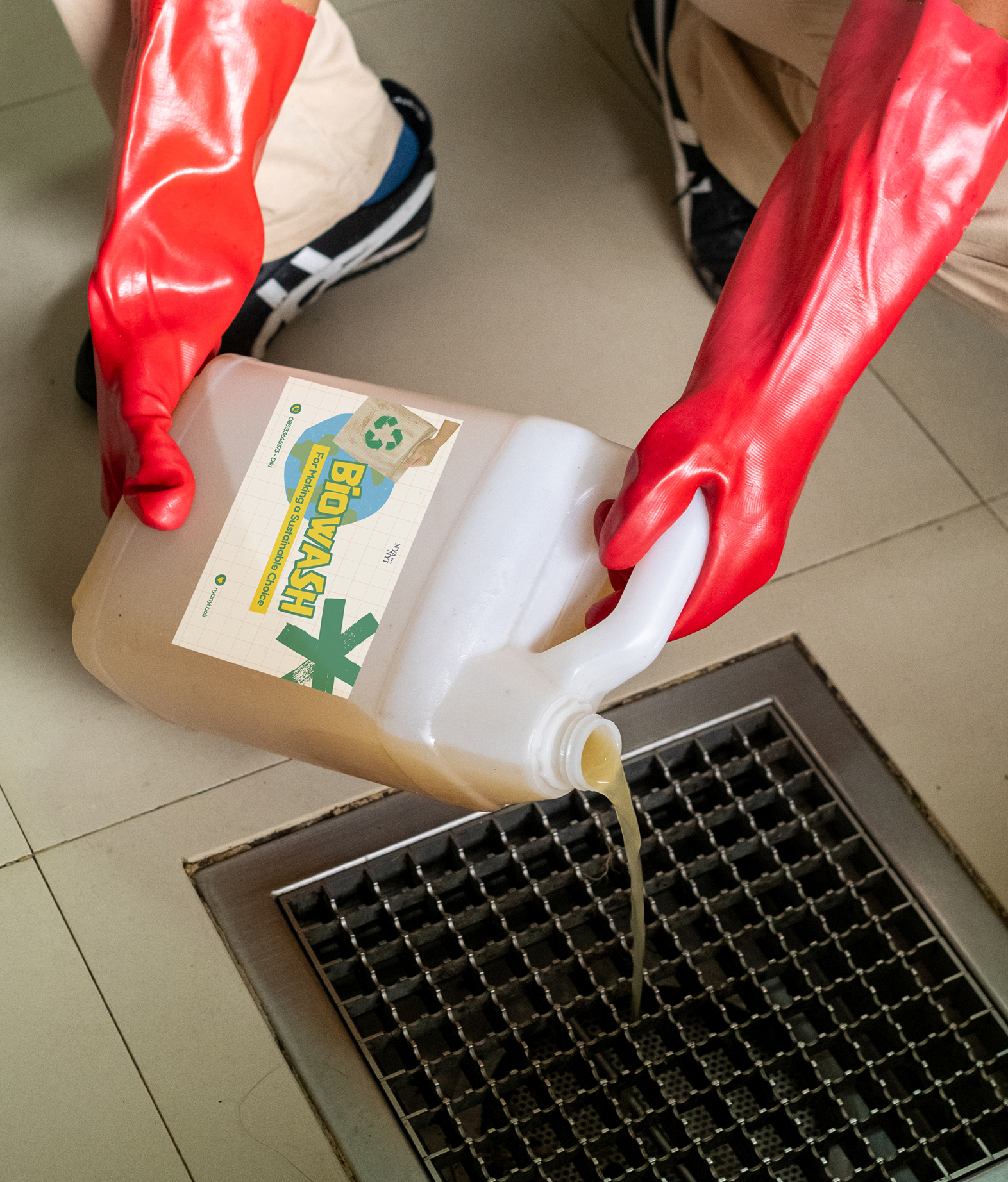
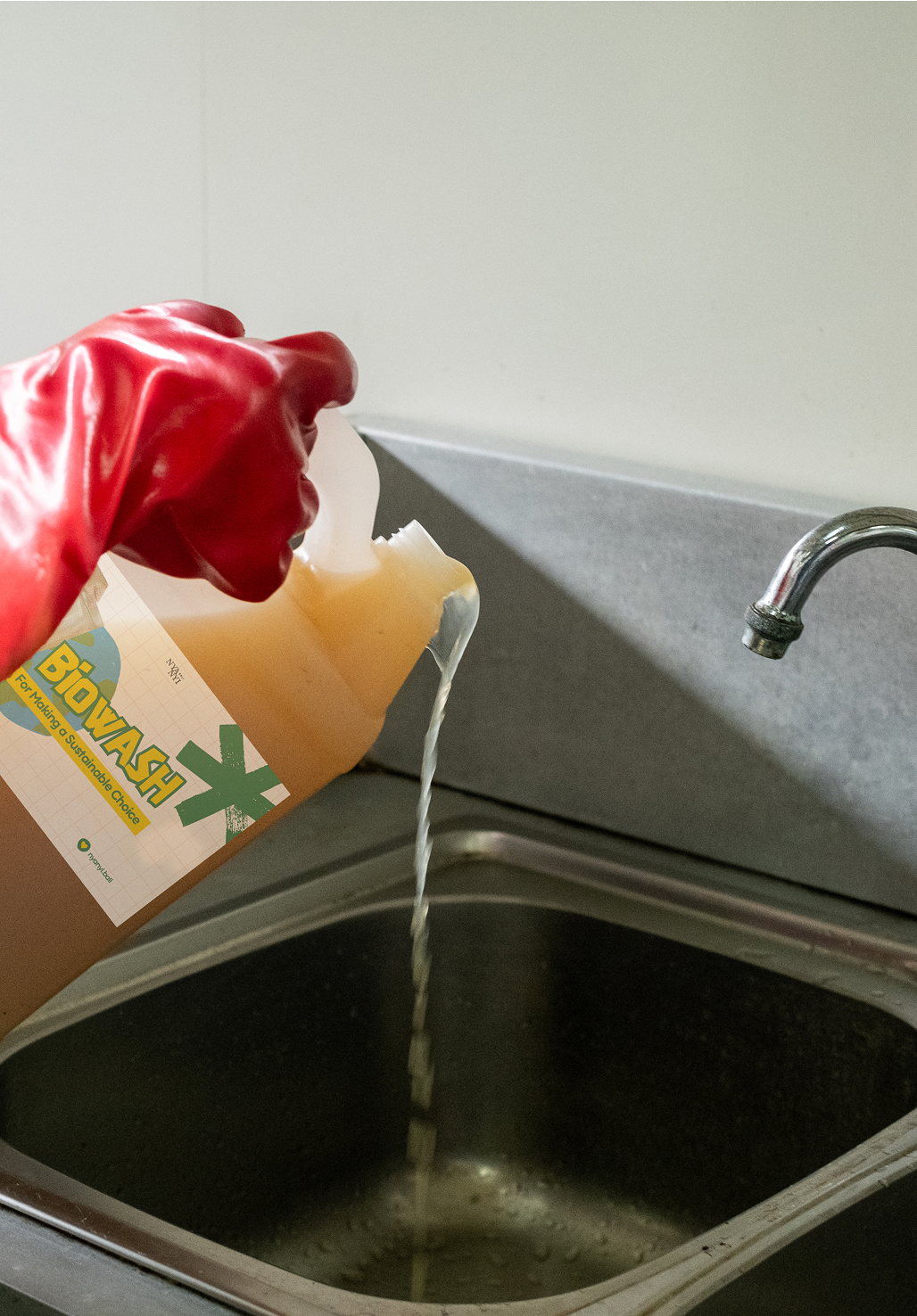
The magic did not stop there. We brewed 2,500 liters of Bio Wash on site to keep our Cafe Lab and kitchens running smoothly. Powered by natural enzymes that break down grease around the clock, it replaced harsh chemicals and saved 150 million IDR. Sustainable, smart, and proudly community driven.
Did you know?
Powered by natural enzymes, Bio Wash breaks down grease at the source.
A simple solution with powerful, round the clock impact.
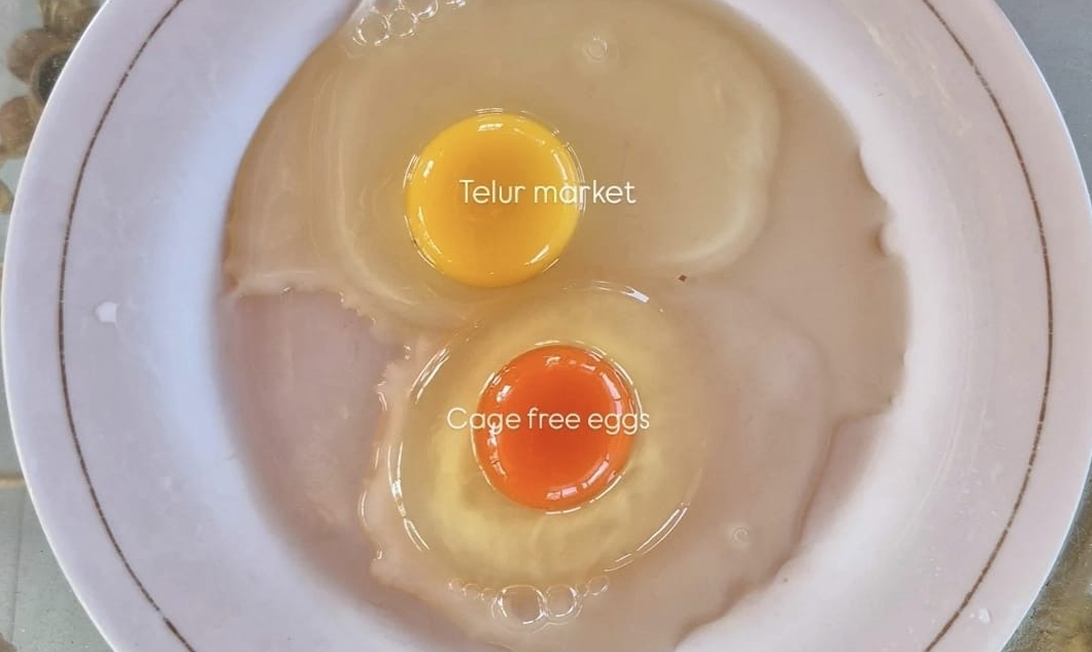
What “Happy Eggs” Taught Us About The Future of Agriculture
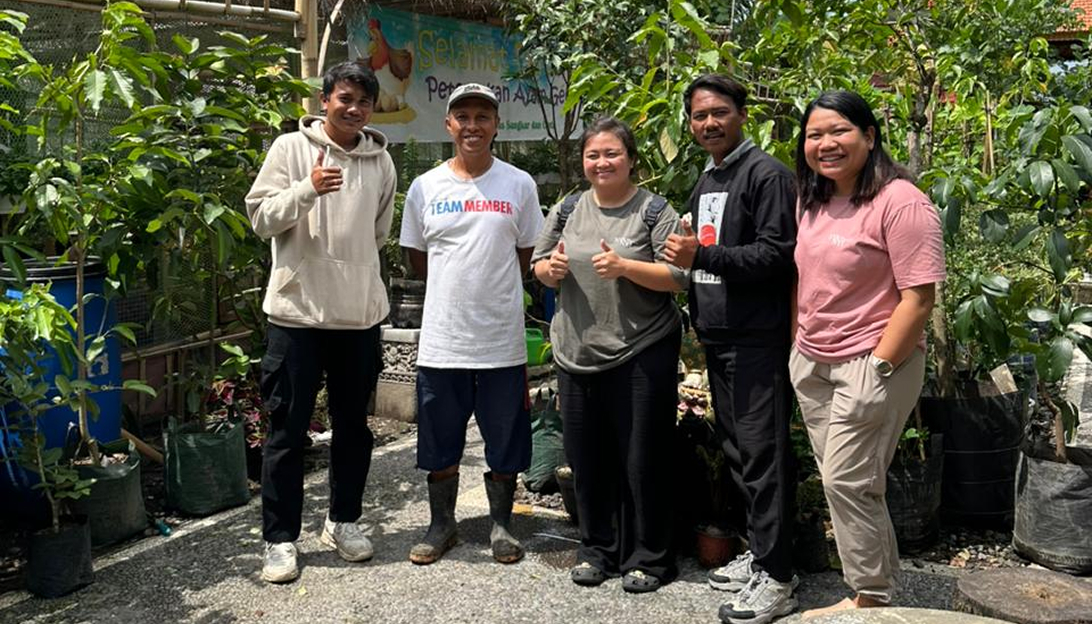
Last January, our team visited Rumah Hijau Bali, which reshaped our view of holistic sustainability beyond isolated actions like beach cleanups or tree planting, toward a connected system where impact is continuous. We saw how animal well-being affects quality, reflected in vibrant, nutrient-rich eggs from healthy hens, showing that care for animals and the environment leads to abundance. The visit also recalled Tumpek Kandang, a Balinese tradition honoring the bond between humans and animals, reminding us that prosperity comes from nurturing all living beings, from soil to table.
Why Waste Ownership is Our Team’s New Responsibility
When Bali’s streets flood after heavy rain, we often blame drainage, infrastructure, or piles of waste. But trash does not get there by itself. Since focusing on waste responsibility, we have learned that the real bottleneck is not policy, it is personal ownership. Instead of waiting for disaster, our team chose to understand where our waste actually goes. We discovered that proper sorting can significantly reduce residue. The real question is not why the streets flood, but what is inside our own bins. Change begins with us.

Big Win for February
February showed strong progress across our sustainability efforts. Waste violations dropped by 14.6%, from 82 cases in January to 70, proving that more mindful sorting truly makes a difference. A big shout-out to the LTP team for the biggest improvement, cutting their cases from 20 to 10.
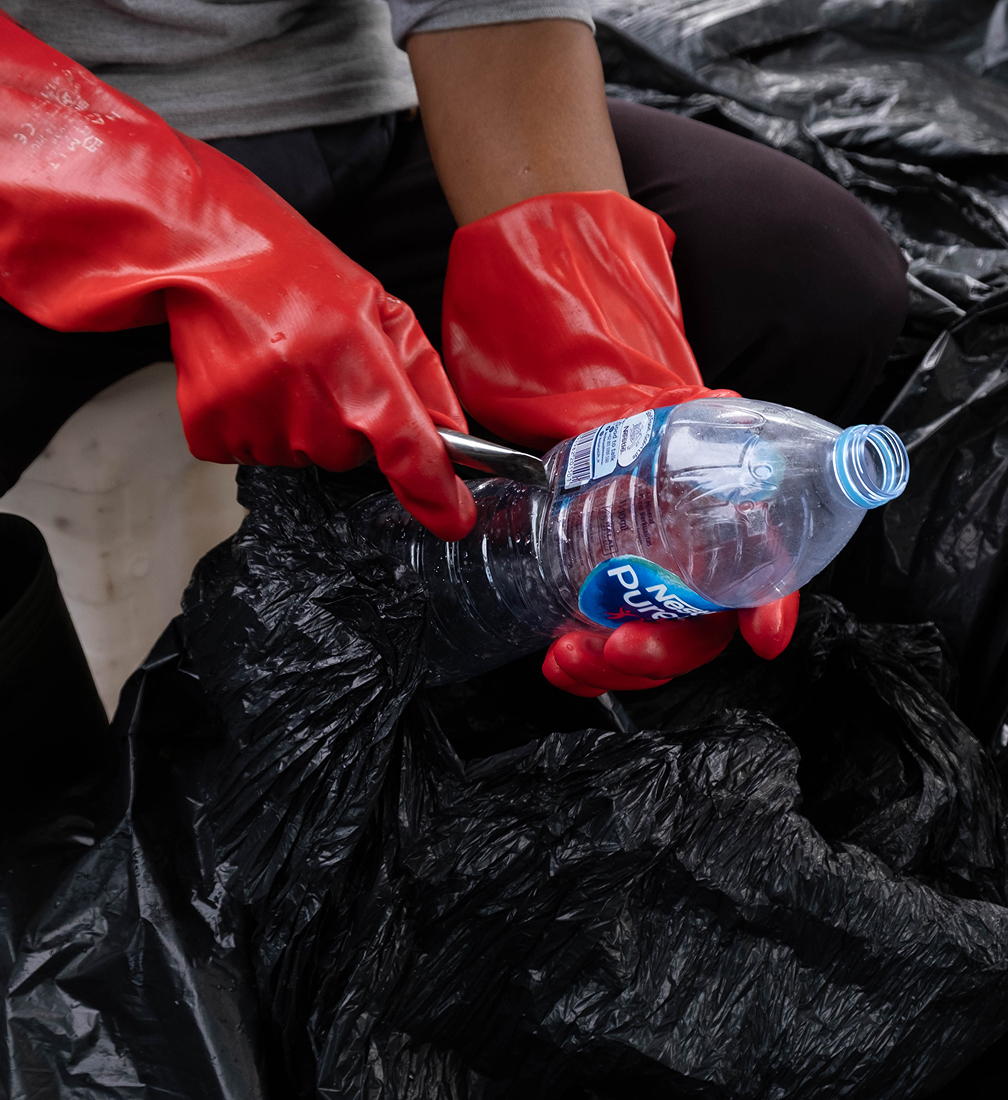
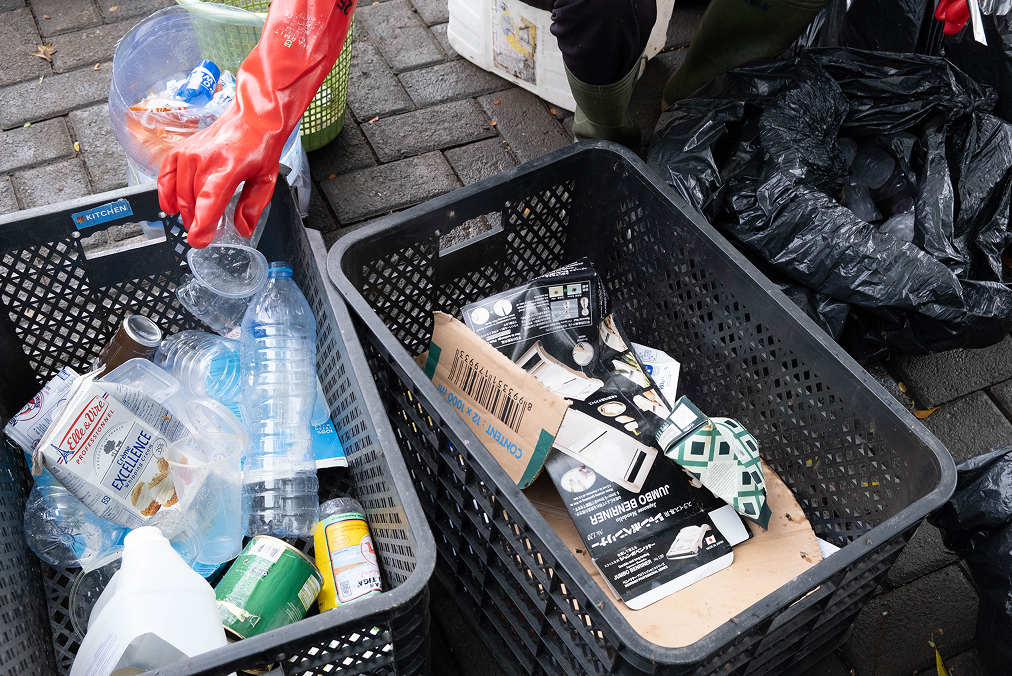
We also kept 8.5 out of 10 tons of waste out of landfills, reaching an 81% diversion rate. Garden and Kandang led with a 100% recycling rate, while BCPS (72%), KORO (64%), and EVENT (57%) were key contributors.
Beyond the Plate: Shaping a More Conscious Culinary Future
Prep the Future: Chefs Bringing Their Own Kits
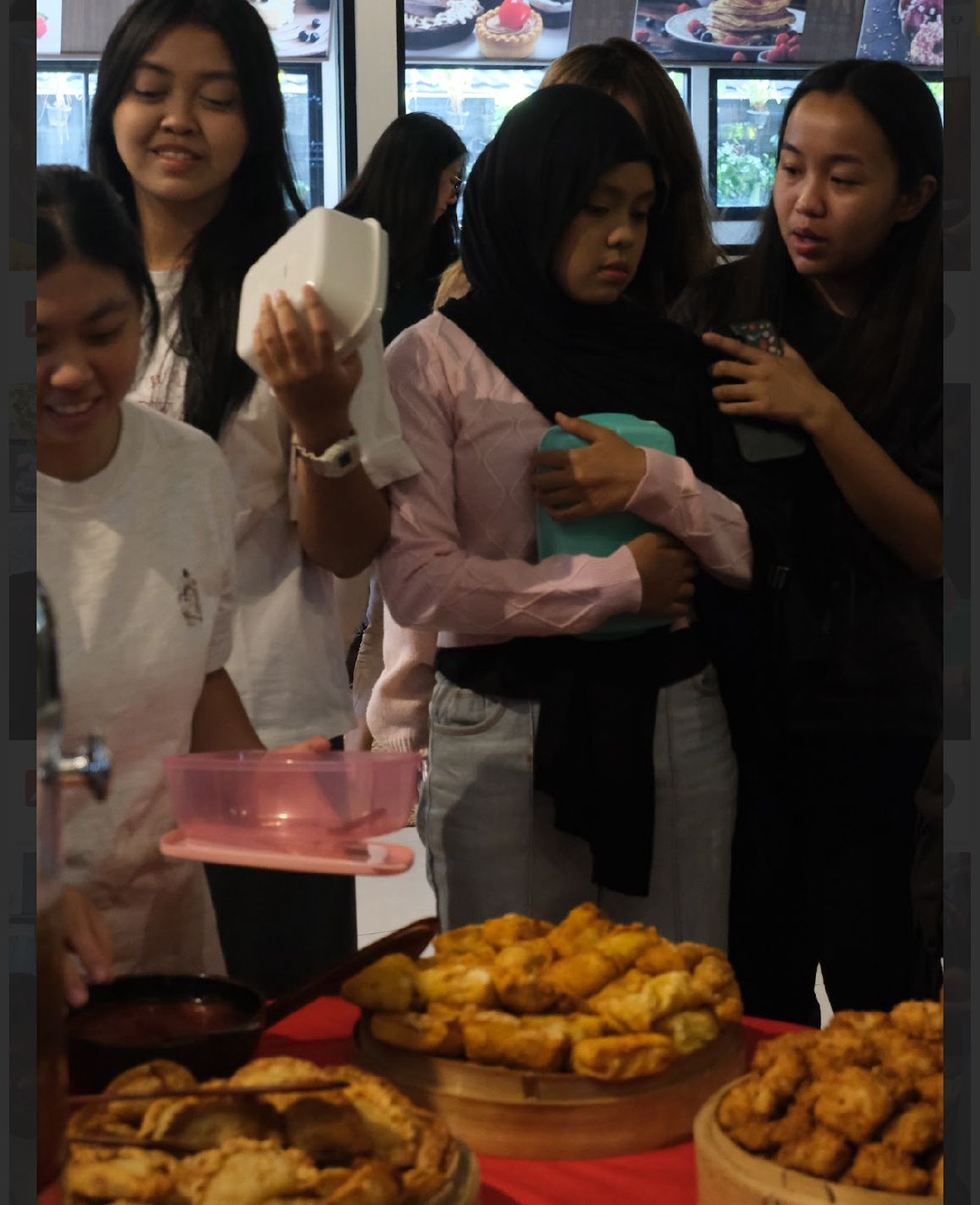
For years, culinary events often ended with piles of plastic waste. At Malam Keakraban D3 Culinary Arts on February 21st, that changed.
Ninety students chose a different approach by bringing their own containers and utensils, making sustainability part of the process. The result was zero food waste, with every leftover packed and taken back to the dorms.
This simple shift set a new standard. “Bring your own” is no longer optional, but a reflection of awareness and responsibility.
The “Spicy” Secret to Chemical-Free Farming in Desa Petak, Ubud, Gianyar
Could a blend of turmeric, ginger, chili, and cinnamon be the key to a more sustainable system? On February 6, our team visited Desa Petak to meet Ibu Mia and her husband, creators of Bio-Petak, a natural biological decomposer that is redefining how we manage waste.
Powered by beneficial bacteria, this solution breaks down fats, oils, and grease in kitchen systems, turning them into harmless water and CO2. In 2025 alone, its use as an in-house biowash saved around IDR 150 million in maintenance costs, replacing the need for harsh chemicals and frequent cleaning.
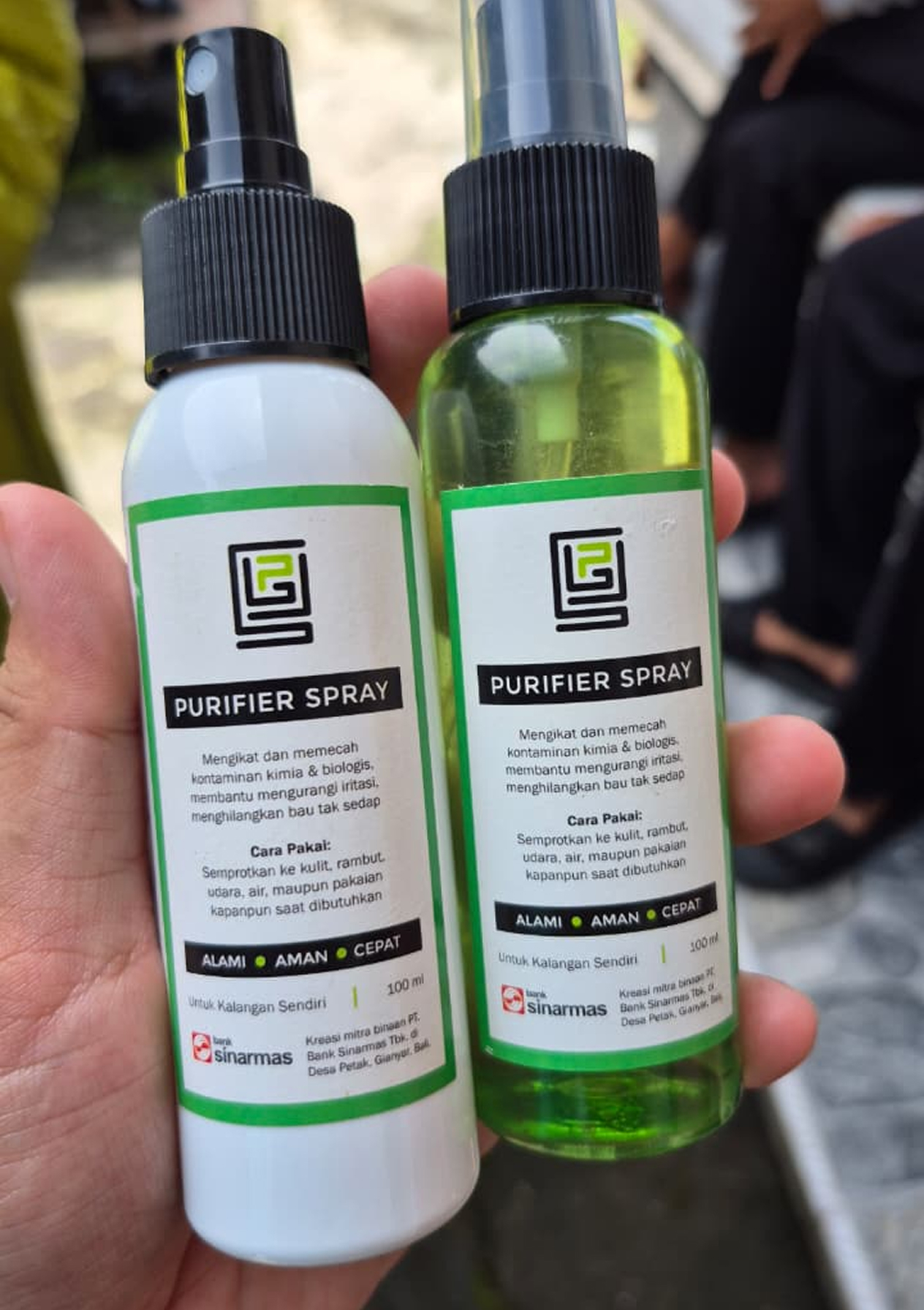


Its impact goes beyond the kitchen. The same mixture transforms cow manure into high-quality compost, supporting a regenerative cycle in agriculture. In Desa Petak, this method has already been applied to three hectares of rice fields, now verified as 100% chemical-free.
This visit showed how simple, natural solutions can create meaningful impact across systems, from daily operations to the land itself, highlighting the power of combining local knowledge with practical innovation.
Closing the Gap: Turning Multi-Layer Plastic into Opportunity

This month, we are taking a focused step to address one of our biggest waste challenges: Multi-Layer Plastic (MLP). You may notice a new category in our sorting bins, created to better manage this hard-to-recycle material.
In 2025, MLP contributed 2.3 tons of waste from our events alone going straight to landfill. With this new dedicated stream, we can now properly collect and recycle it, helping reduce our overall residue.
It is a simple but important shift toward a more responsible system. With continued effort, we can turn this challenge into real progress and make landfill-bound waste a thing of the past.
Leading the Change: Celebrating Our Eco Champions
We are proud to recognize our Eco Champions who have been at the forefront of driving better waste practices across our community. Through their dedication and hands-on efforts, a total of 730 people at BITDeC have been trained on proper waste sorting and management.
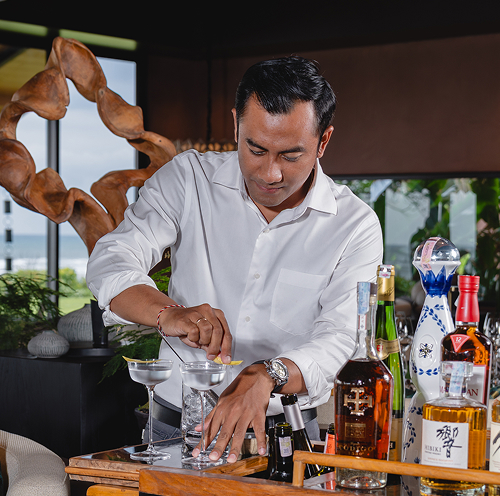
I Kade Pandu Pradnyaditya
(Service – KORO)
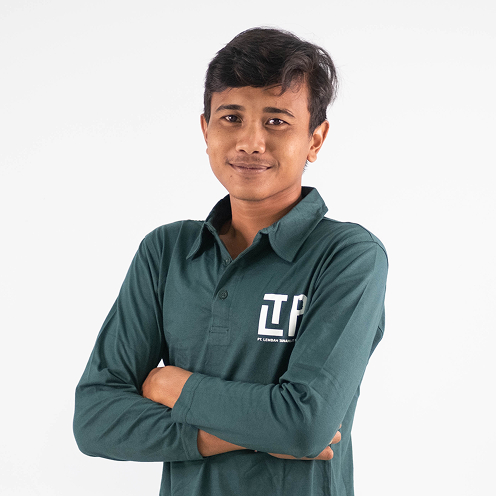
Diki Setiawan
(Sustainability – LTP)
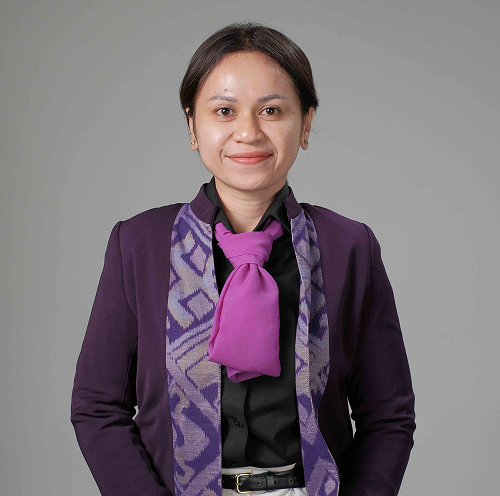
Chef Kartini
(Pastry Chef Coordinator – PIB)

Nira
(Hygiene Officer – BCPS)

Yumita
(Prodi MPH – PIB)
This achievement reflects the power of shared knowledge and consistent action. Special appreciation goes to whose commitment has made a meaningful impact on the ground. Thank you for leading by example and helping build a culture of responsibility. This is how change grows, person by person.
Big Win for March
Drop Violation
for Q1
Waste Diversion Rate
for March 2026
281.37 kg
recycled
649.24 kg
recycled
321.00 kg
recycled
Bio-Wash Usage
2026
(usage total 602 liters)
From Waste to Fuel:
The Return of Our UCollect Movement
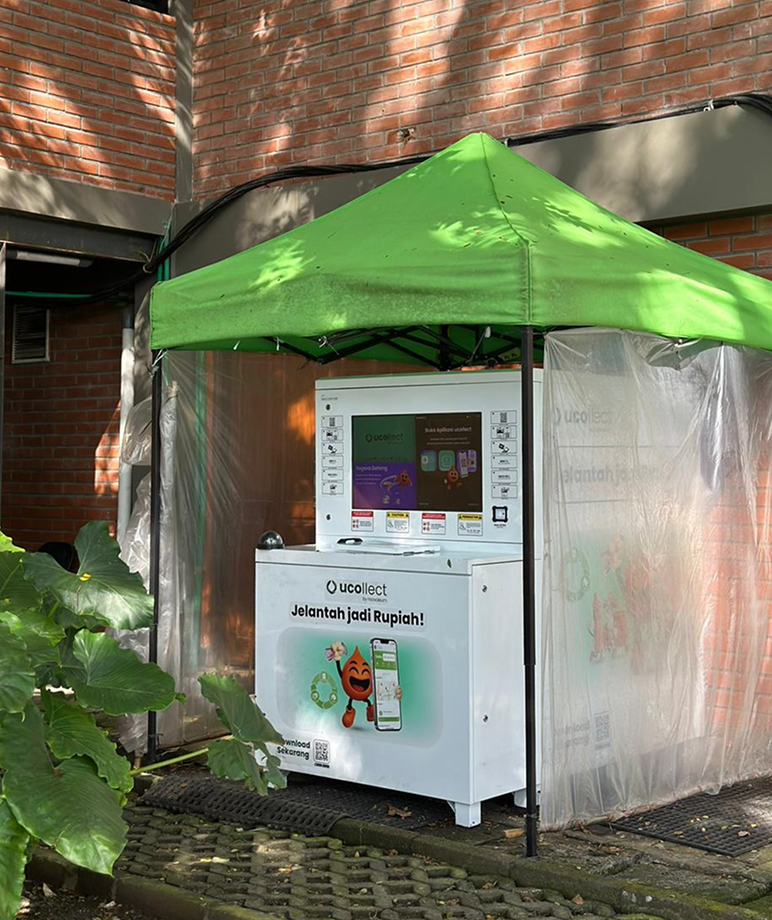
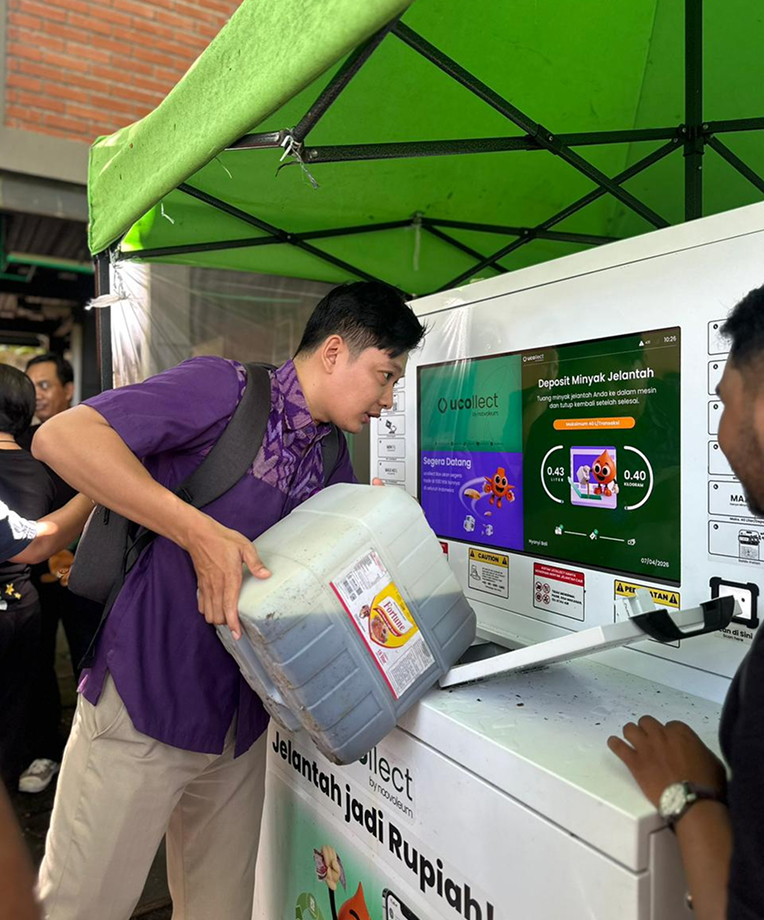

As of April 9, our UCollect Boxes are back, now larger with a 1,000 ml capacity to make used cooking oil collection easier and more effective. This initiative is a simple step with significant impact.
Used cooking oil should never go down the drain. Just one liter can contaminate an entire Olympic-sized swimming pool, turning clean water into toxic waste. By collecting it properly, we not only protect our plumbing systems and prevent environmental harm, but also give this waste a second life. Through UCollect, what was once discarded becomes a valuable resource, converted into clean biodiesel.
A Smarter System:
Our 2026 Waste Collection SOP
Previously, waste collection across areas lacked consistency, with different pickup times and processes creating confusion despite having the right bins in place.
With the introduction of our 2026 SOP for domestic waste, we are now aligning the system through clearer processes, fewer unnecessary bins, and a more structured flow.
The impact is immediate. Our housekeeping team has reduced sorting errors by 50%, proving that when everyone follows the same system, results improve significantly.
This shift shows that an effective waste system is not just about infrastructure, but about people working in sync with clarity and purpose.
Beyond the Plate:
Our Eco Champions of the Month

Chef Billy
PIB

Chef Danu
PIB
Sustainability in the kitchen is not defined by rules alone, but by the people who bring them to life. This March, we recognize Chef Billy and Chef Danu, two leaders who are proving that real impact starts with everyday choices.
At PIB, Chef Billy has led a simple yet powerful shift by making personal tumblers the norm, reducing reliance on single-use plastic cups. At Café Lab, Chef Danu is driving change in a different way, encouraging teams to bring their own cutlery for takeaway meals, turning a small habit into a shared standard.
Their actions show that sustainability does not have to be complex. By choosing awareness over convenience, they are shaping a culture where responsibility becomes part of the craft itself.
This is what leadership looks like, not just in what is served, but in what is sustained long after.